Menu Close
Cartel de la exposición "Memoria. La huella de lo vivido" del Museu de les Ciències de València, que muestra la ilustración de un niño con un cerebro iluminado por conexiones neuronales brillantes.

MEMORIA

The imprint of what we lived

.
What is memory? A faithful file of what we was lived, or a living, shifting process in constant reconstruction?

.
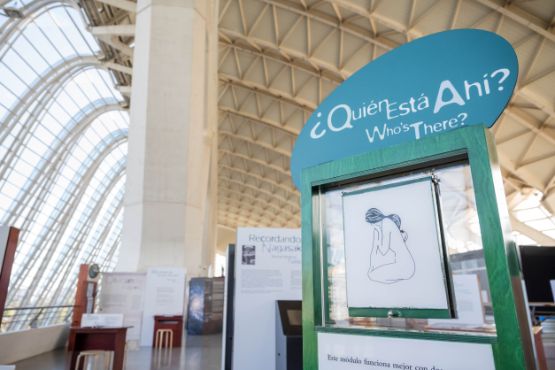
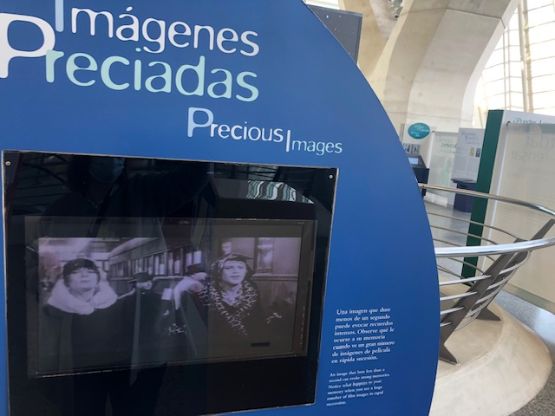
The exhibition Memory, adapted by the Museu de les Ciències from the original show at the Exploratorium in San Francisco, invites visitors to discover the workings of the human mind from a scientific, sensory and emotional perspective.

.
Through interactive experiences and audiovisual resources, this journey shows how we continuously reinterpret our past in order to build our identity and understand the world around us.

.
Memory as a vital process

.
Far from being a static system, memory is a dynamic function that shapes our perception of reality. We constantly remember, forget and reconstruct our experiences, and this process directly influences who we are.

.
The exhibition explores how memory is fallible, ever-changing and deeply connected to personal identity, as well as to cultural traditions and technological advances.

.
This exhibition seeks to:

  • Understand the complexity of the human brain and the uniqueness of each person.
  • Promote the social awareness of diseases such as Alzheimer’s.
  • Reflect on the relationship between memory, identity and perception.

.
A journey through the realms of memory

.
The exhibition is structured into nine thematic areas, identified by colours that guide visitors on a sensory and scientific journey:

  • Introduction and the senses: The senses are the gateway to memory. Discover how they influence the way we remember.
  • Remembering what matters: Emotion and meaning are the keys of setting one-term memories.
  • The art of forgetting: Forgetting is not a failure, but part of the system. Spatial memory and false memories are also explored.
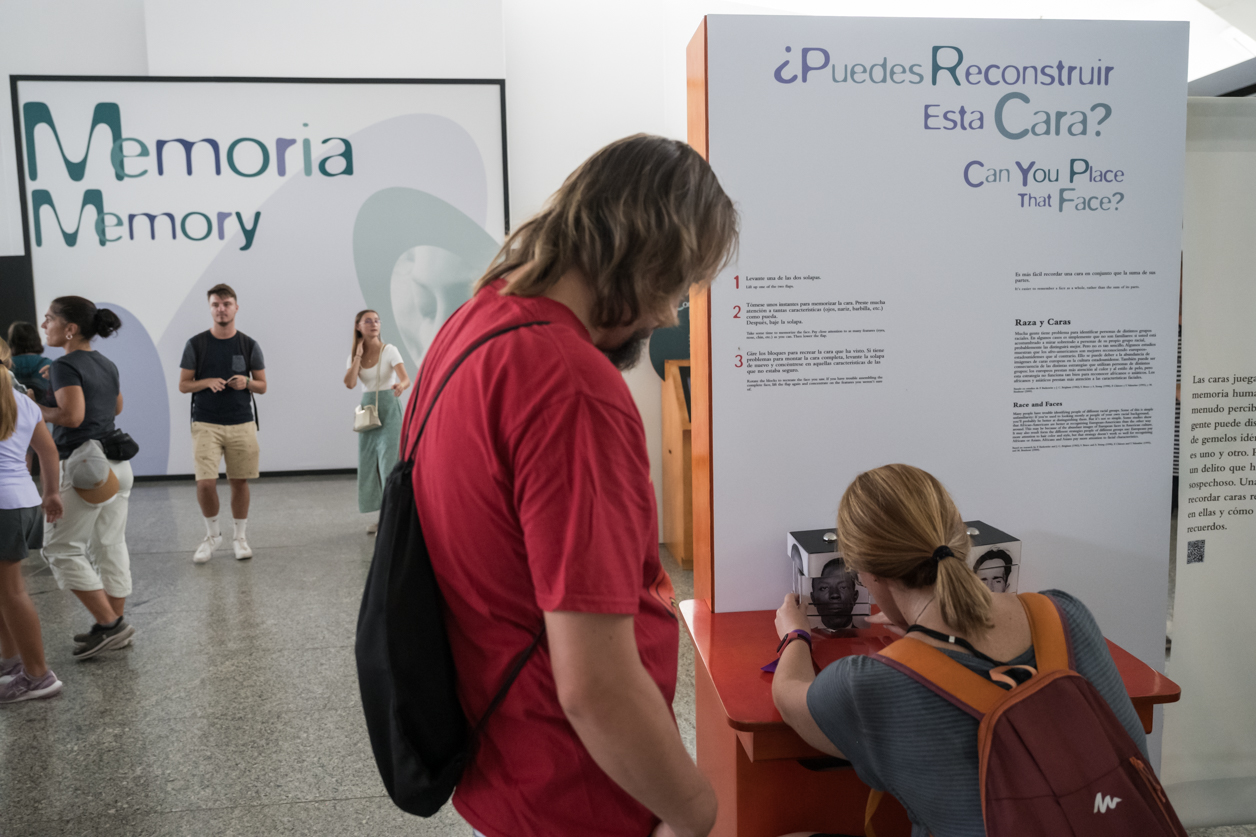
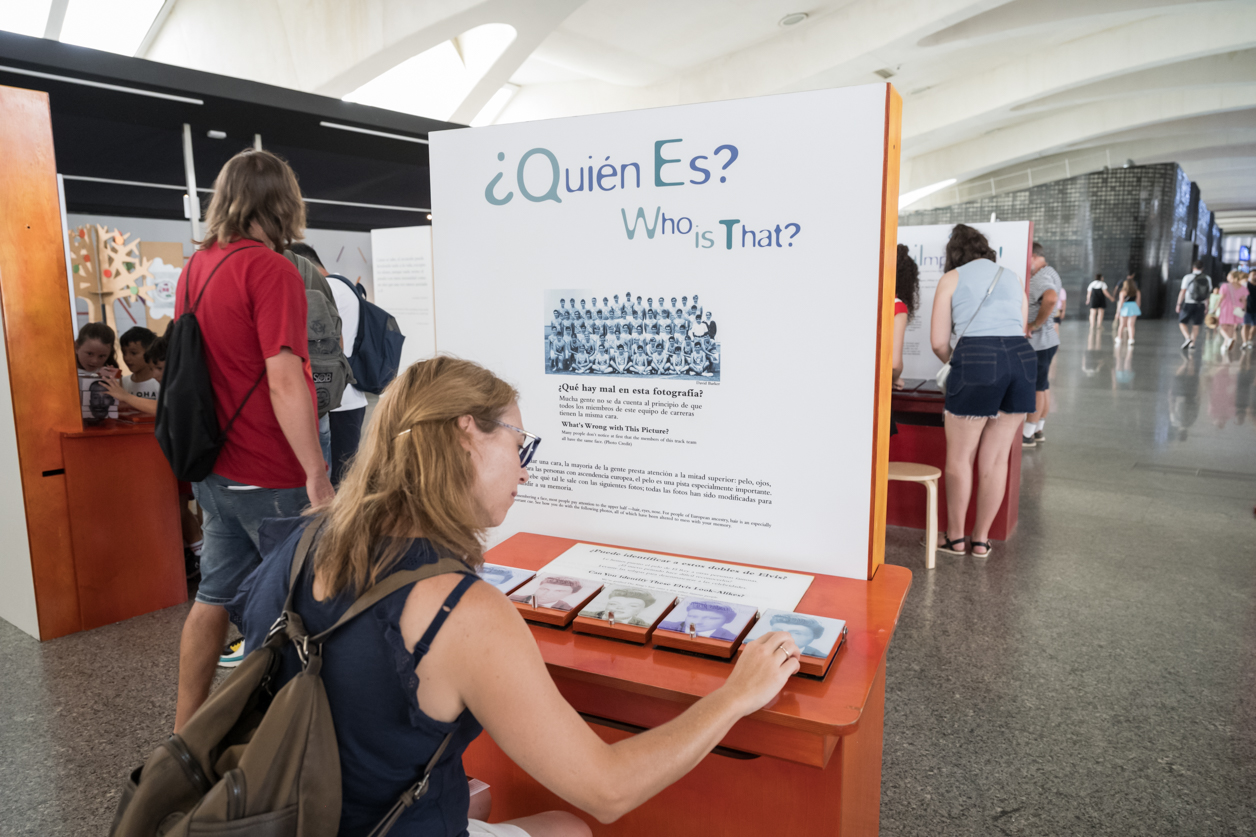
  • Facial recognition: The brain identifies thousands of faces thanks to specialised areas of the visual cortex.
  • Remembering without thinking: Implicit memory operates unconsciously and influences our decisions.
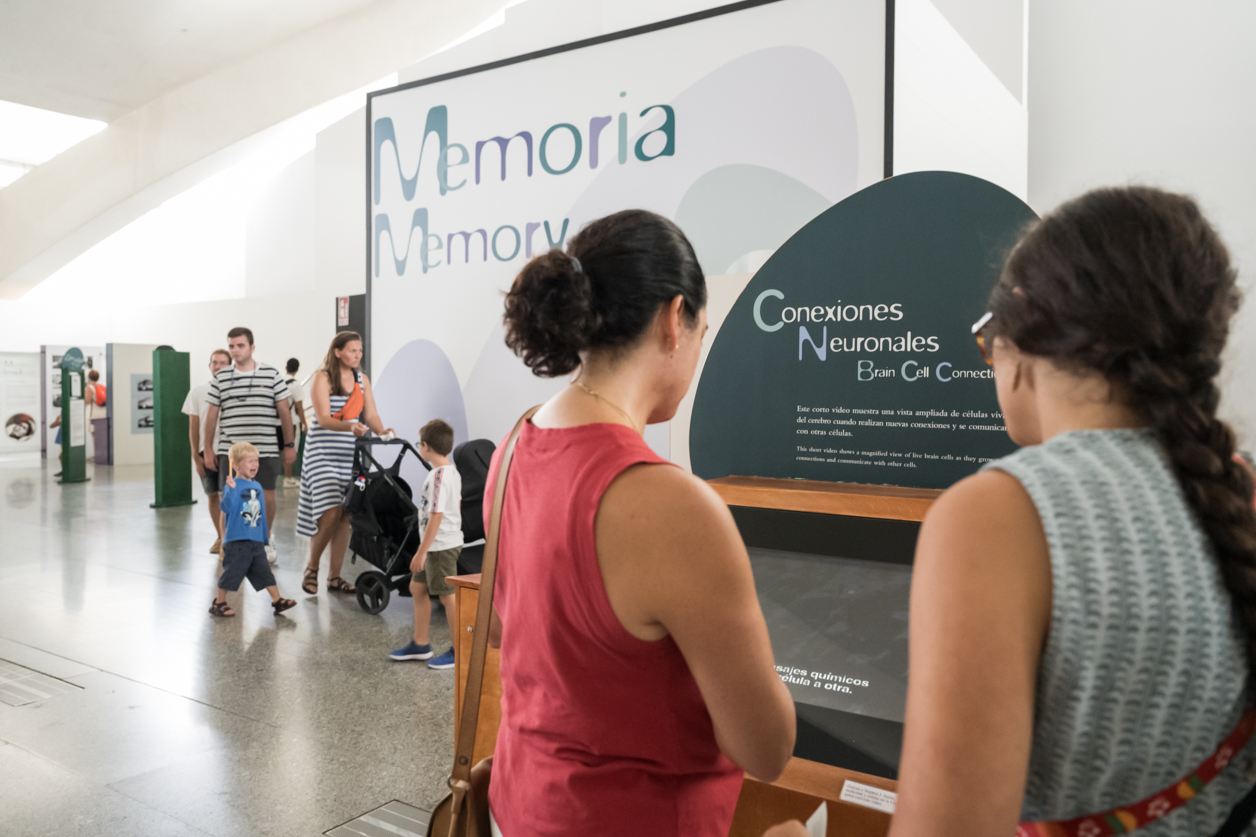
  • The brain (the physical engine): With billions of neurons, it is the physical basis of memory, language and behaviour.
  • Personal memory: Autobiographical memory is shaped by education, environment and life experiences.
  • Shared memory: Communities construct collective narratives that shape history.
  • Memory connections: Both individual and collective memory are selective, interpretative and ever-changing.

.
A look into the human mind

.
The exhibition Memory reminds us that we are not recipients of information, but active constructors of our reality. Each memory is an interpretation, and each interpretation helps define who we are.

Share
Exposition: Temporary
Building: Museu de les Ciències
Location: Primera planta

Galería de imágenes